Kasese Uganda Travel Guide: 7 Essential Stops for Your Adventure.
Welcome to the ultimate Kasese Uganda travel guide, your gateway to the ‘Mountains of the Moon’ and beyond. Tucked into the rugged western edge of Uganda, where the sun rises dramatically over the snow-capped peaks of Mt. Rwenzori and vast savannahs, Kasese is a destination that doesn’t whisper it roars and blesses your eyes.
This is a destination that sits at the doorstep of two of Uganda’s most iconic national parks, shares a skyline with the legendary “Mountains of the Moon,” and yet somehow remains one of Africa’s best-kept travel secrets.
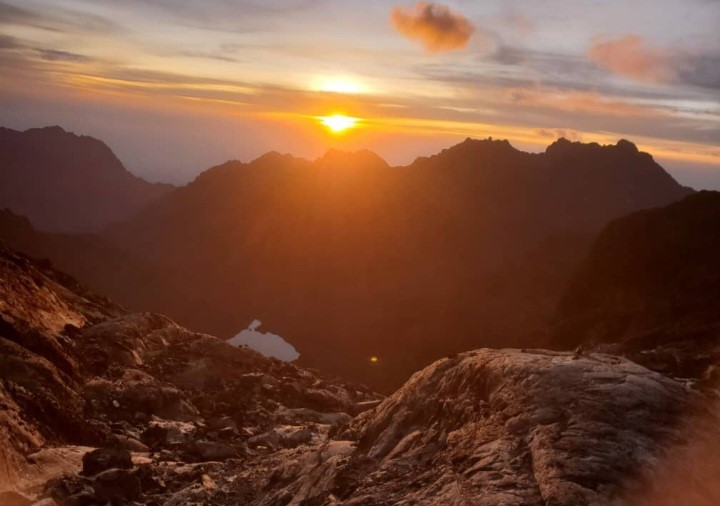
Whether you’re a thrill-seeking hiker, a wildlife fanatic, a curious cultural explorer, or a first-time visitor to Uganda, Kasese is the kind of place that gets under your skin and keeps you coming back. This guide covers everything you need to know before you go. Hold it close to your dear heart.
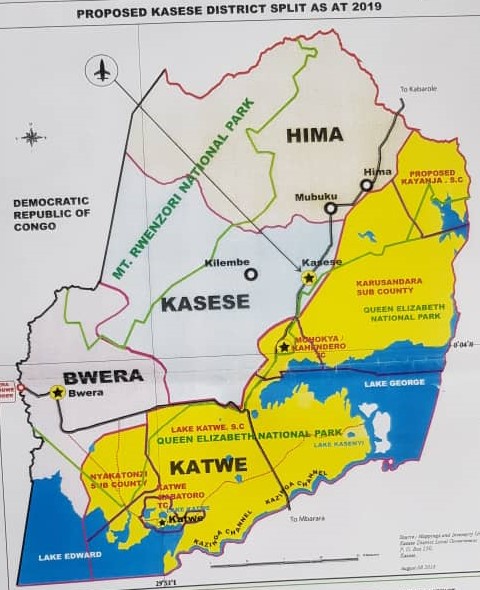
Where is Kasese? (Your Kasese Uganda Travel Guide Map)
Kasese is a fast-growing district in Western Uganda, located north of Lake George and very close to the border with the Democratic Republic of Congo.
It serves as the home to some of Uganda’s most celebrated natural wonders, and it even has its own airport Kasese Airport (KSE) making it more accessible than many travelers expect.
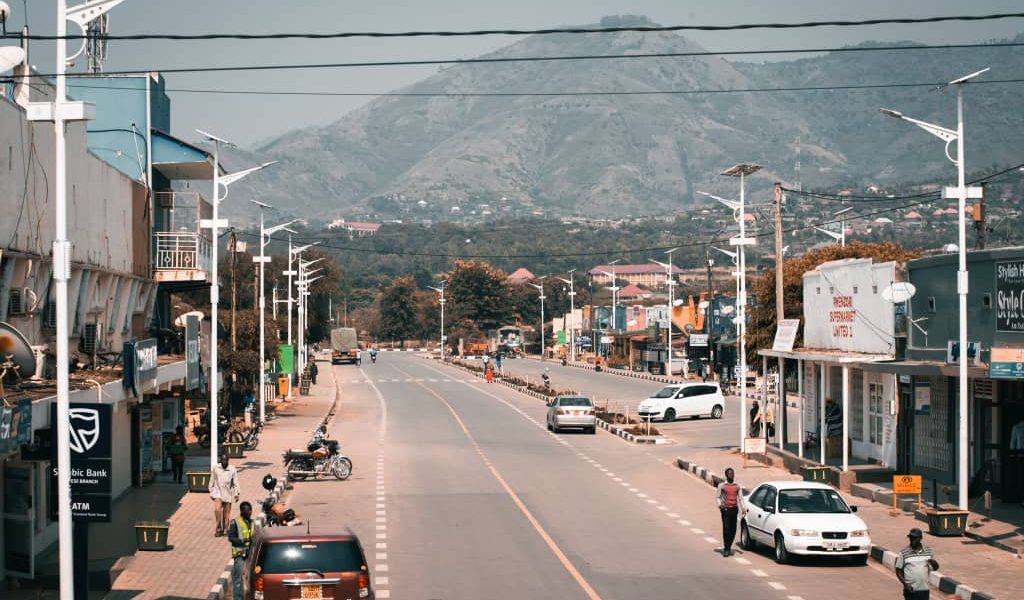
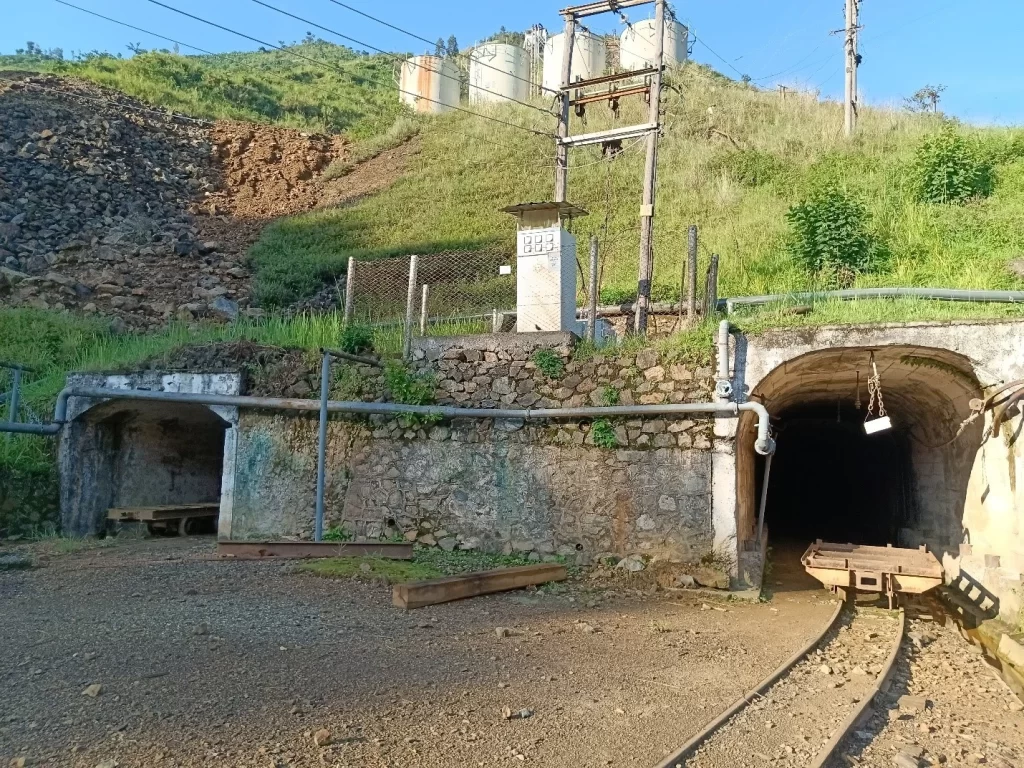
The town has a fascinating economic history rooted in copper and cobalt mining at the famous Kilembe Mines, and that industrious, no-nonsense spirit still runs through the heart of Kasese today. The majority of people here are Bakonjo proud, warm, and deeply connected to the land. But because Kasese sits so close to the DRC border, you’ll also notice a significant Congolese community woven into the city’s fabric, giving Kasese a vibrant cross-border culture that’s unlike anywhere else in Uganda.
Top Highlights: Why Use This Kasese Uganda Travel Guide?
The Rwenzori Mountains Climb. Africa’s “Mountains of the Moon”
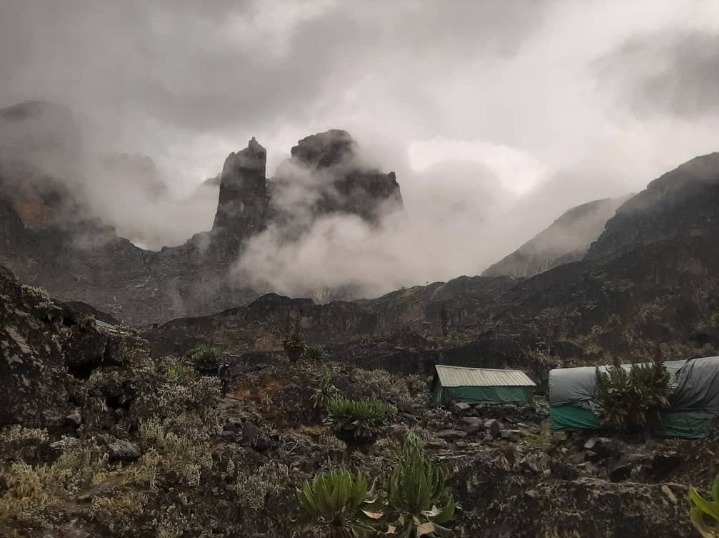
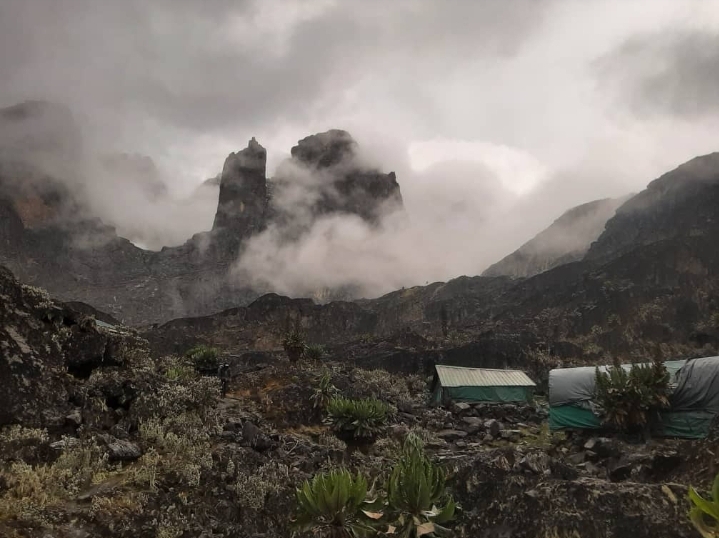
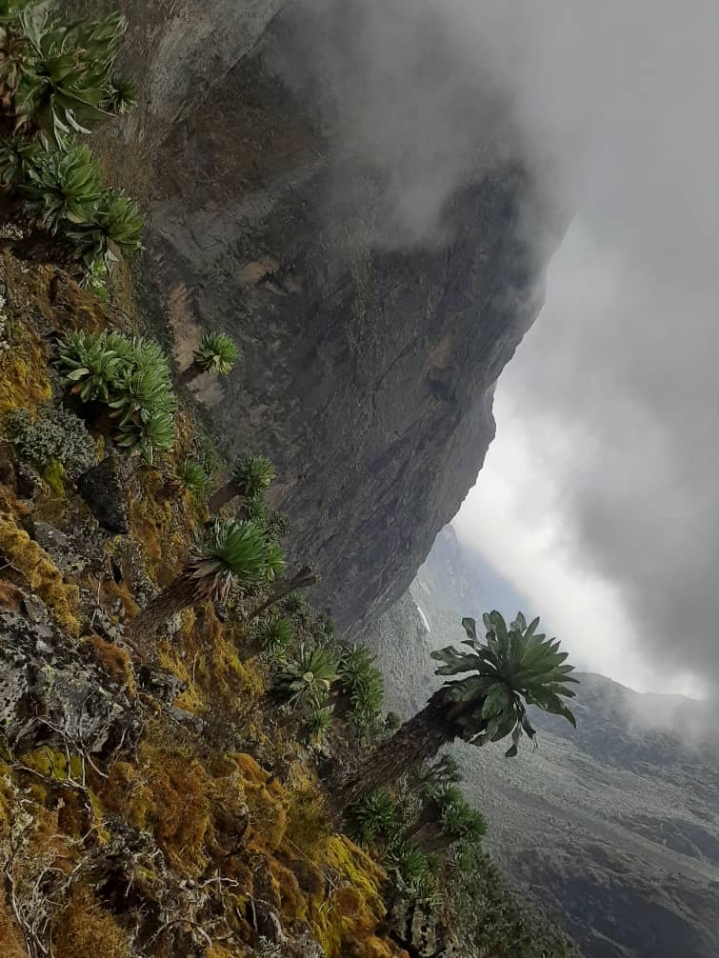
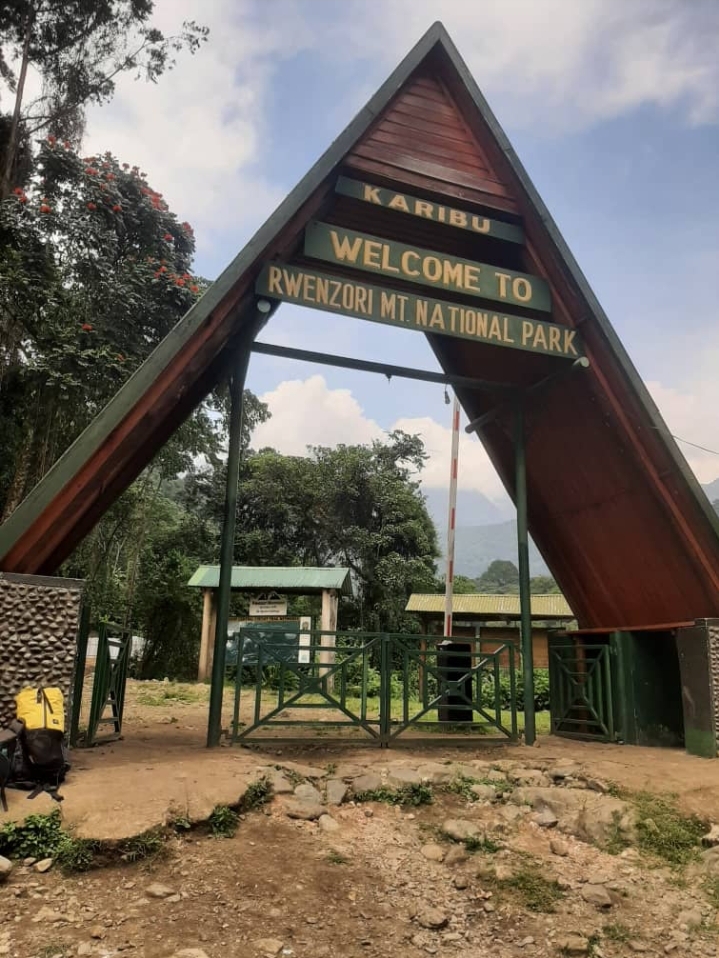
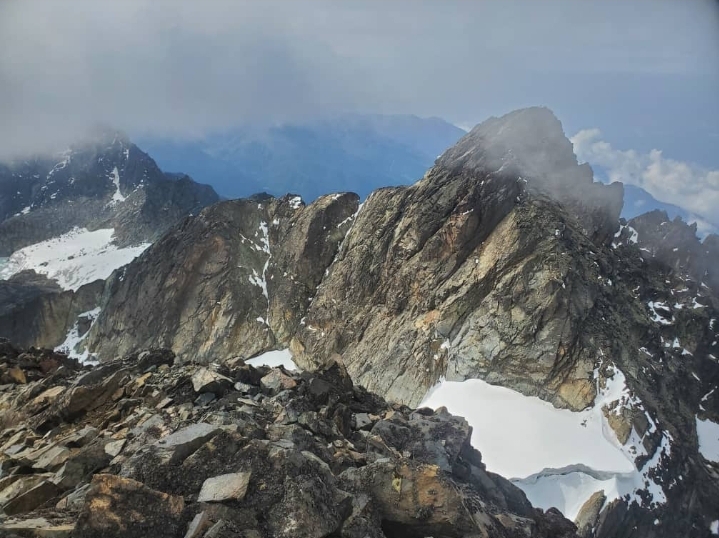
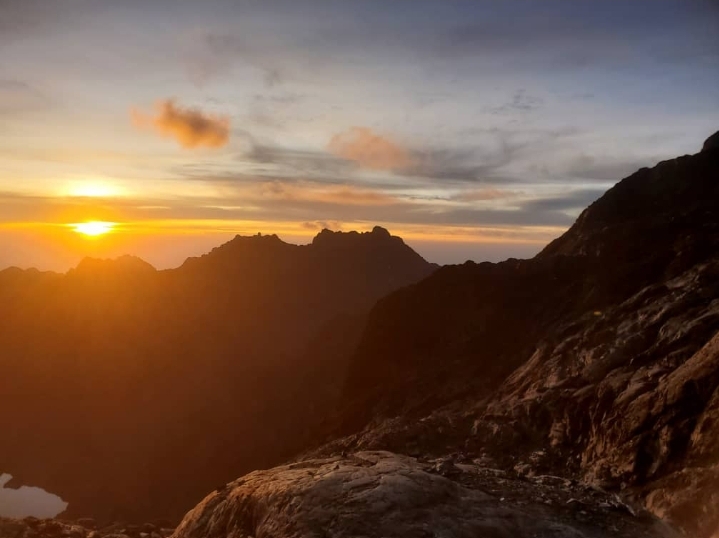
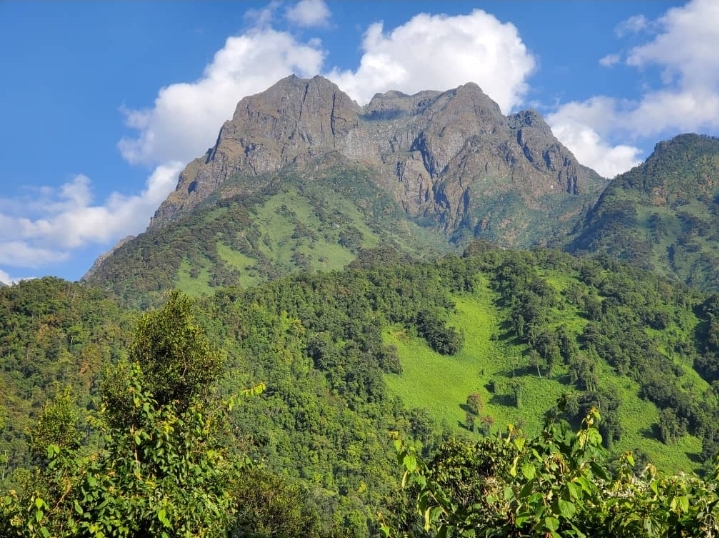
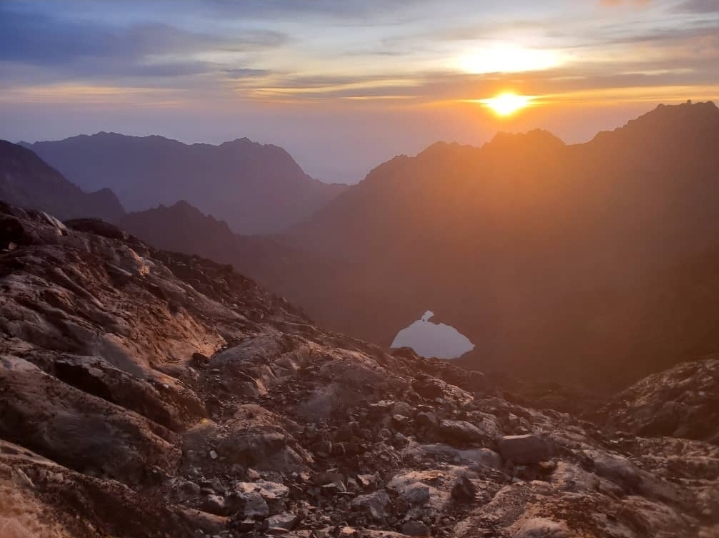
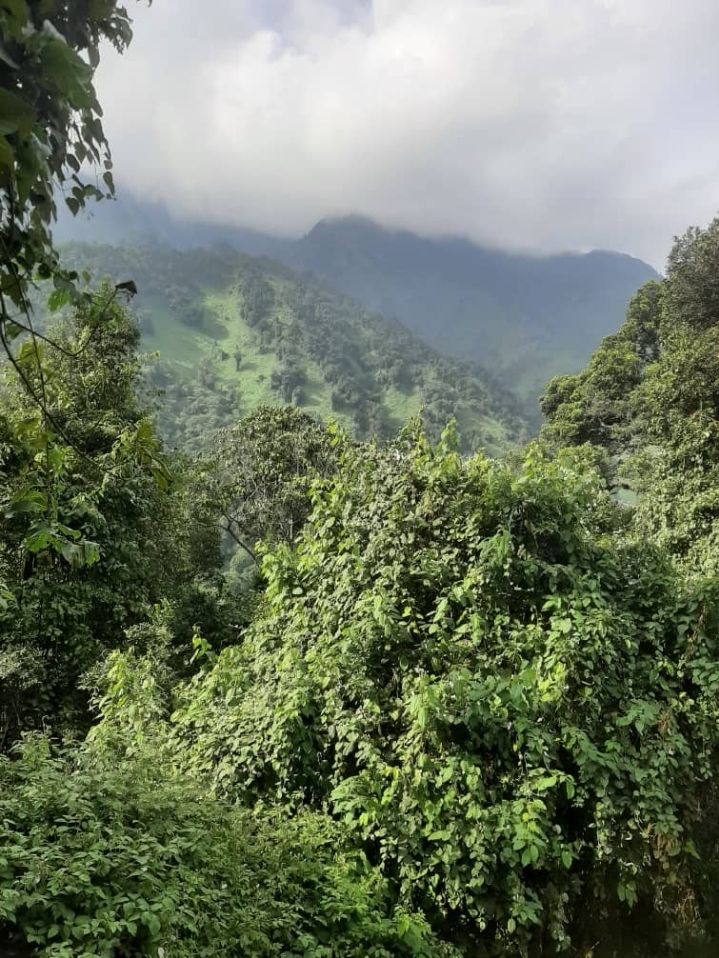
If there is one thing that defines Kasese, it is the Rwenzori Mountain. These ancient peaks nicknamed the “Mountains of the Moon” by the Alexandrine geographer Ptolemy are among the most dramatic landscapes on the African continent. Funny fact is; Ptolemy, believed that mountain Rwenzori were the snow capped source of the River Nile! Rwenzori Mountains National Park is a UNESCO World Heritage Site, home to Africa’s third-highest peak and a breathtaking ecosystem of cloud forests, bamboo woodlands, tropical rainforests, and glaciers.
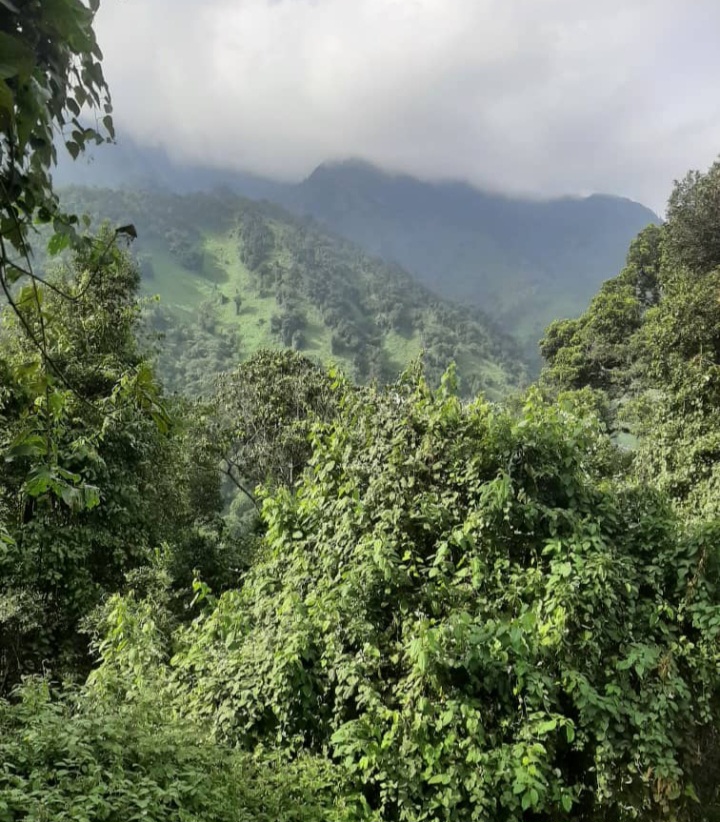
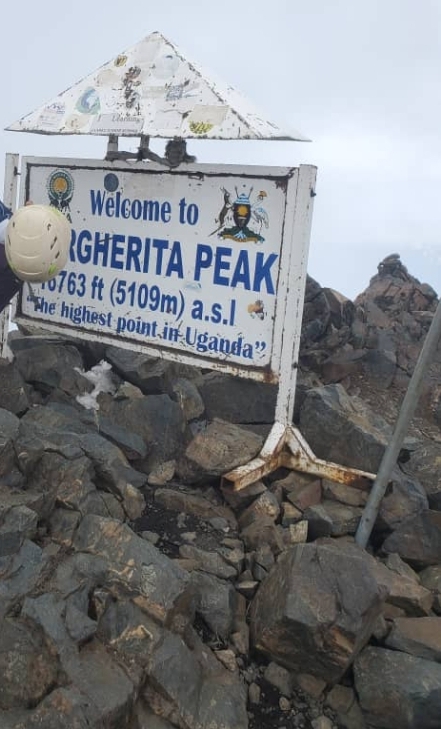
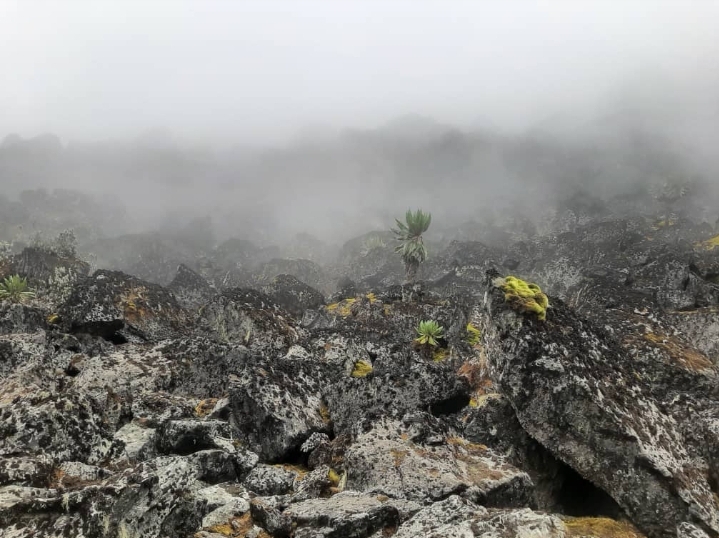
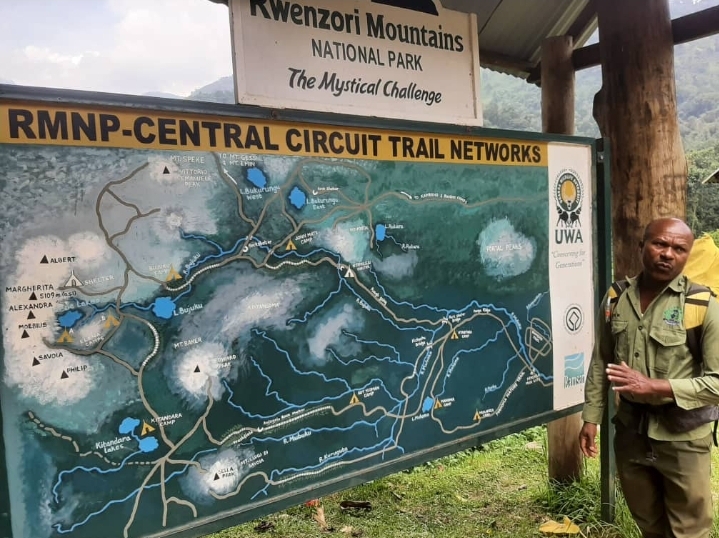
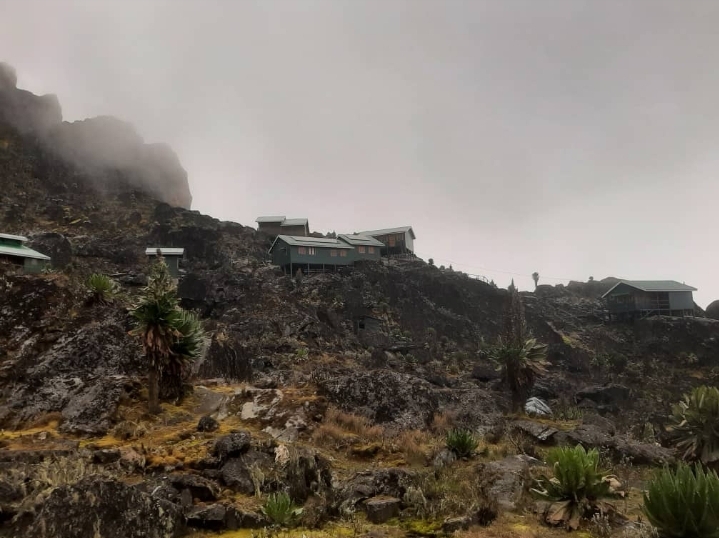
Hikers can choose from multiple trails ranging from day hikes to multi-day expeditions, with the ultimate goal being Margherita Peak on Mountain Rwenzori, Uganda’s highest point at 5,109 meters. Along the way, you’ll pass through thick forests, bamboo thickets and giant heather trees. you’ll also spot rare wildlife including ; Birds, black and white colobus monkeys, blue monkeys and the three horned chameleons. These wonders are found nowhere else on Earth!
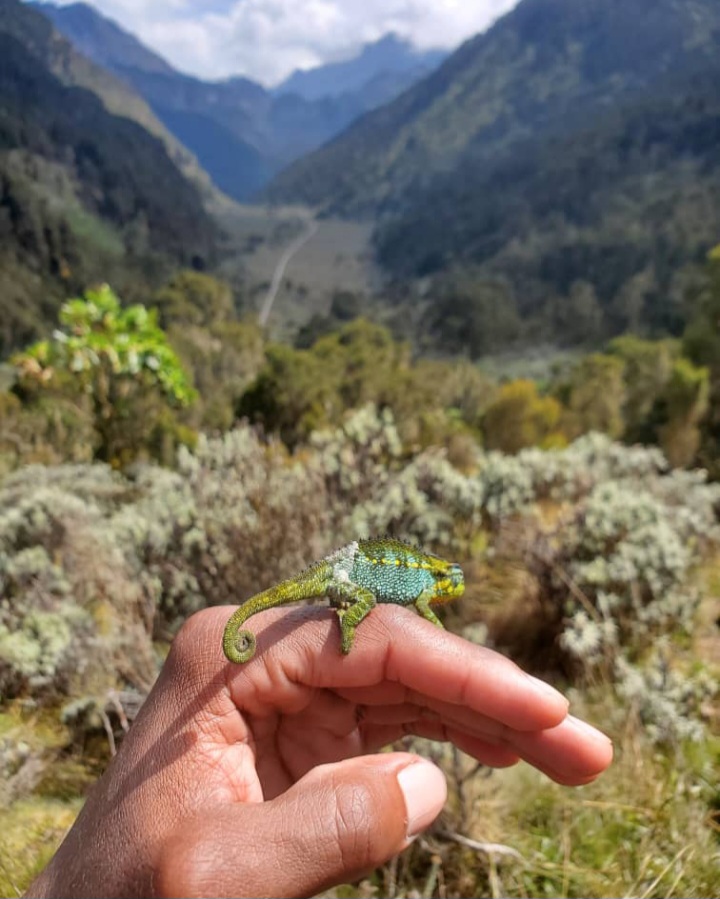
This is not just a hike. This is a once-in-a-lifetime conquest.
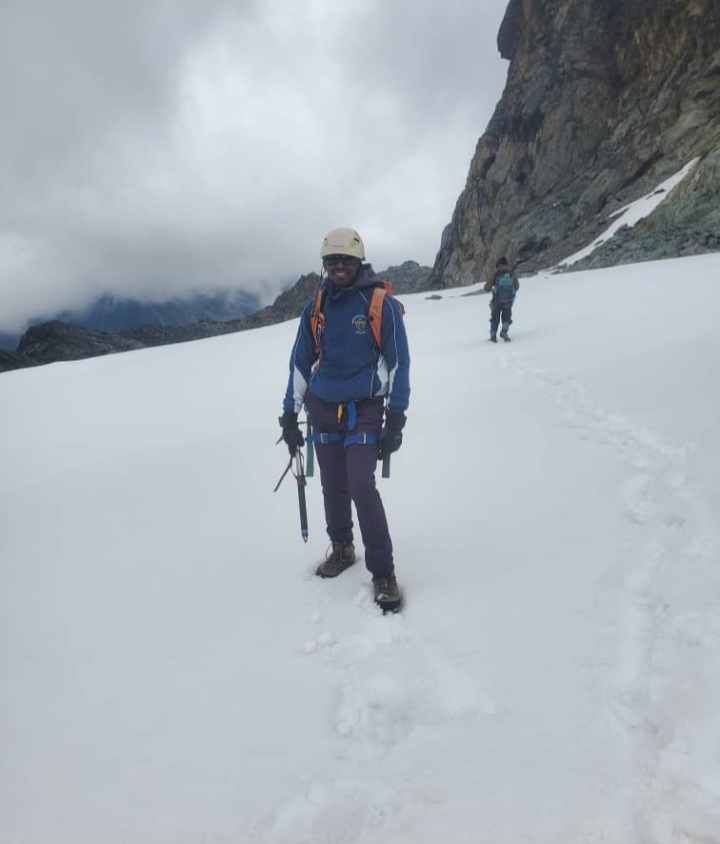
Queen Elizabeth National Park — Where Wildlife Owns the Road
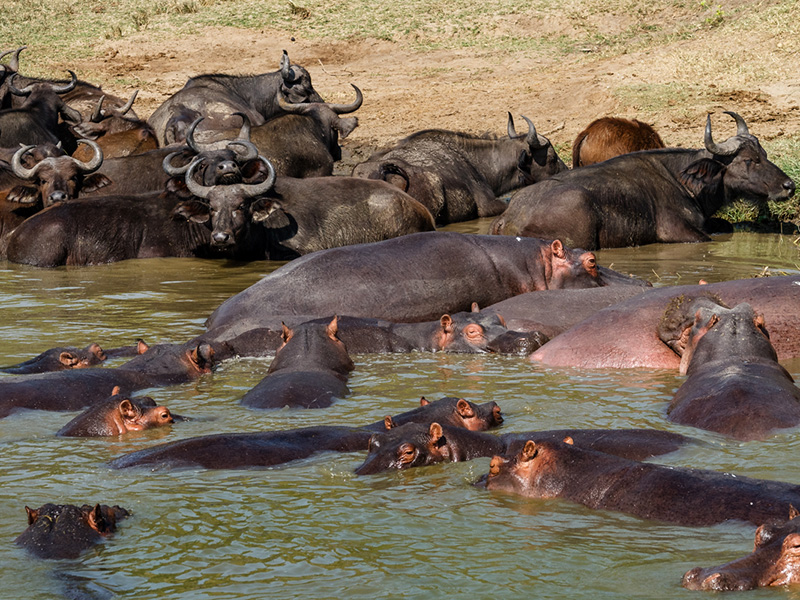
A short drive from Kasese town puts you inside one of Uganda’s most celebrated wildlife destinations. Queen Elizabeth National Park is the most visited game park in the country and for good reason. This is where the famous tree-climbing lions live, where herds of elephants roam freely, and where leopards, buffaloes, hippos, and crocodiles share the same spectacular landscape.
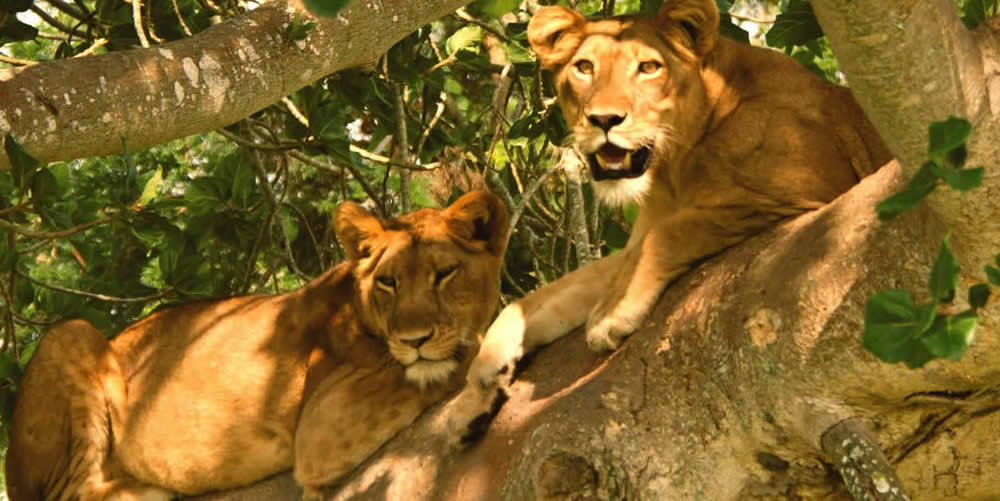
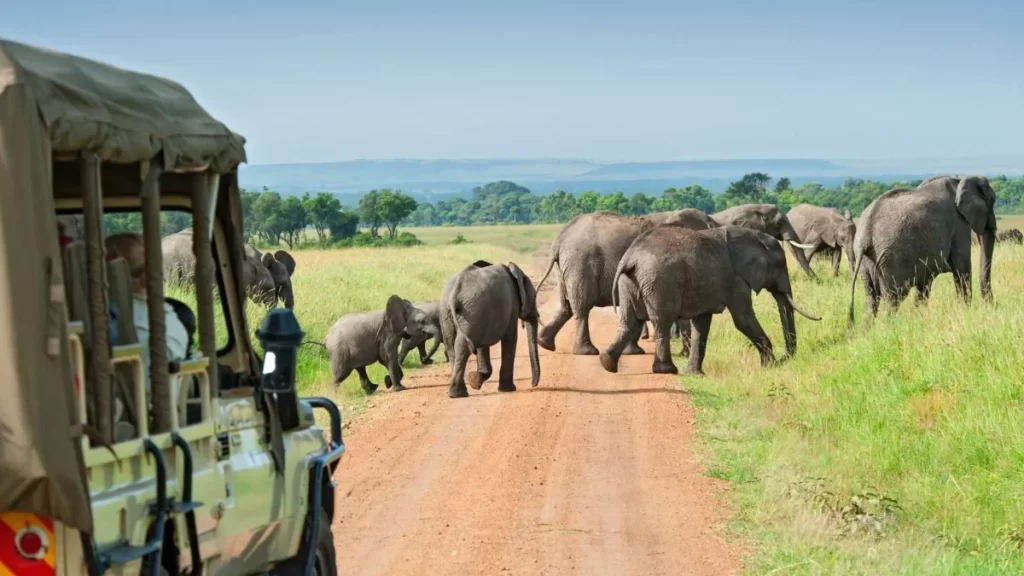
But here’s something nobody tells you before the first visit: the wildlife doesn’t wait for you to get inside the park gates. On the drive through Queen Elizabeth, it’s completely normal to round a bend and find a herd of buffalo standing across the road, or spot antelope grazing casually on the verge, or see hippos wallowing in a roadside swamp completely unbothered by your vehicle. It’s one of those jaw-dropping reminders that in Kasese, nature is always in charge. These animals freely mingle with the locals.
Don’t miss the Kazinga Channel boat cruise, a 32-kilometre natural waterway connecting Lake Edward and Lake George. Drifting along the channel, surrounded by hippos surfacing on one side and elephants drinking on the other, is pure magic. And keep an eye on the water’s edge local children around the channel are famously fearless swimmers. Even on cool, overcast days, you’ll spot them diving and splashing in the channel without a second thought, completely at home in those waters. It’s one of the most joyful, unexpected sights you’ll come across on the whole trip.
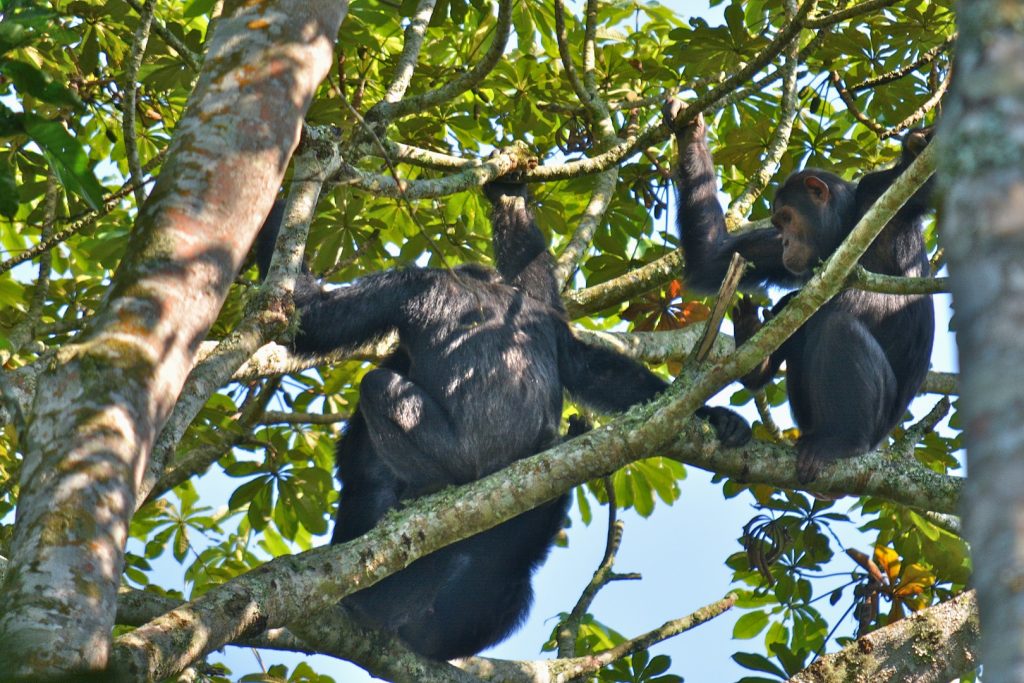
For chimp lovers, the Kyambura Gorge also known as “Valley of Apes,” is a 100-meter deep, 11km-long sunken forest located in the northeastern corner of Queen Elizabeth National Park in Uganda it offers an extraordinary chimpanzee trekking experience deep inside a sunken forest That’s one of the most unique wildlife encounters in East Africa.
Lake Katwe — Where Salt is Sacred (And Rain is the Enemy)
Few places in Uganda are as fascinatingly unusual as Lake Katwe, a volcanic crater lake located in the southwest of Kasese. But to truly understand Katwe, you need to understand the relationship the local community has with salt and with the sky.
Salt mining here is not just an industry. It is a way of life passed down through generations, and the lake’s ancient mineral-rich waters have been supplying households across Uganda for centuries. When you visit, look closely along the shoreline and you’ll notice something striking: small circles of land marked out with sticks and stakes, where families have claimed their sections/plots of the lake’s edge. These are evaporation plots , shallow pans where lake water is left to dry in the sun, slowly crystallizing into the salt that gets sold at markets across the country. And that’s how people are surviving.
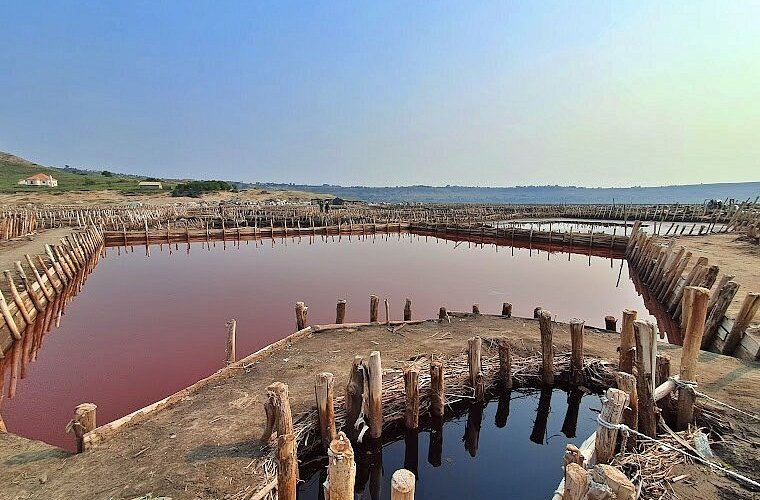
And here’s a local truth that hits differently once you’ve seen it firsthand: the people of Katwe dread rain. While the rest of us might welcome a cool shower, a heavy downpour is a disaster for salt miners it dissolves the carefully formed salt crystals and washes away days or even weeks of patient, backbreaking work. When dark clouds gather over Katwe, the mood shifts. Rain here isn’t just weather. It’s a threat to livelihoods. In fact don’t even mention “Rain”
Visiting Lake Katwe with this knowledge changes the whole experience. You’re not just a tourist taking photos you’re stepping into a community’s living history.
Kalinzu Forest Reserve Primates & 378 Bird Species
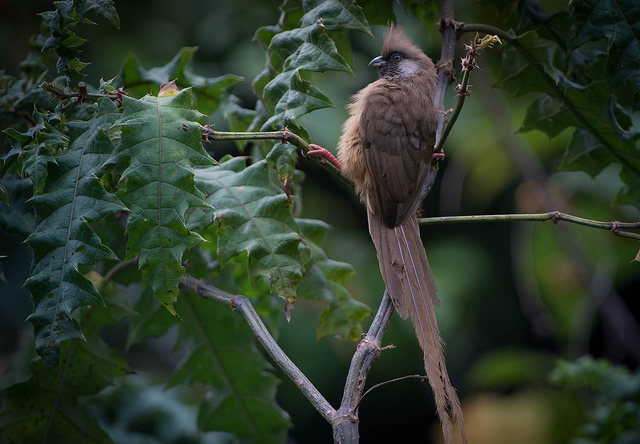
Bordering the Kasese-Mbarara highway, Kalinzu Forest Reserve has over 414 tree species and 378 bird species, it’s a birder’s paradise. The forest is also home to chimpanzees, black-and-white colobus monkeys, blue monkeys, and vervet monkeys. This is not located in Kasese District but its one of those paradises that welcome you to the land, well situated along the path.
Activities here include guided chimpanzee trekking, birdwatching tours, butterfly identification walks, and nature trails perfect for a half-day adventure before or after a bigger park excursion.
Kilembe Mines & Cultural Attractions
Kasese’s identity was shaped by its minerals, and a visit to the Kilembe Mines once Uganda’s largest copper mines (by the way currently being revamped)and one of the biggest in East Africa offers a fascinating glimpse into that legacy. Beyond the mines, stop by the Rwenzori Art Centre for locally made crafts, visit the Kasese Central Market for a taste of everyday life, and explore the Hima Cement factory for a unique industrial tourism experience.
What to Eat in Kasese
No Kasese Uganda travel guide is complete without mentioning the local staple: Kalo and fish. Kalo (also called obulo) is a dense, dark millet bread earthy, filling, and deeply satisfying traditionally eaten with your hands. Pair it with engege (tilapia), fresh from the nearby lakes, and you have a meal that tastes exactly like the place it comes from: honest, bold, and full of character.
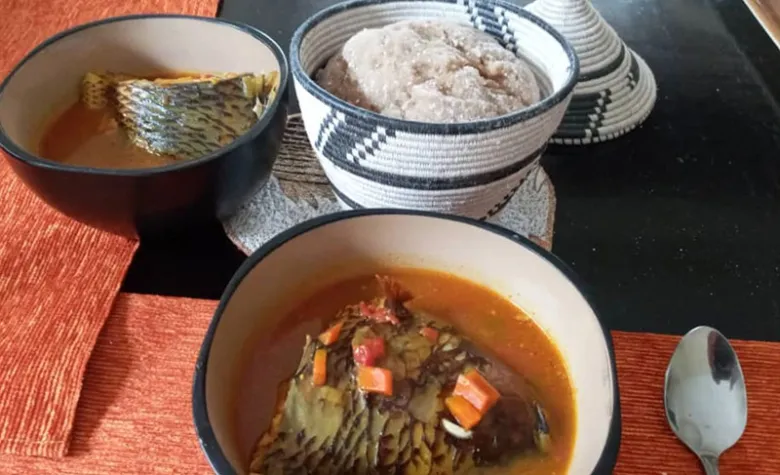
You’ll find this combination at local restaurants and roadside spots throughout Kasese. Eating it the local way hands, no cutlery is half the experience.
Best Time to Visit Kasese
The best time to explore Kasese is during the dry seasons: June to September and December to February. These months bring clear skies, accessible roads, and optimal conditions for hiking, game drives, and boat cruises. And as any salt miner at Katwe will tell you, dry sunny days are the best days of all.
The rainy seasons (March–May and October–November) bring lush green scenery and can still be a rewarding time to visit but pack waterproof gear, expect some muddy trails, and be prepared for roads that require a little more patience.
How to Get to Kasese
Navigating transport is a key part of any Kasese Uganda travel guide, so we recommend taking a domestic flight or a 6-hour drive from Kampala . Below we have listed several ways to travel to Kasese and within Kasese.
- By Air: Kasese Airport (KSE) connects the city with Entebbe and other Ugandan destinations — the fastest and most comfortable option for international visitors.
- By Road: Kasese is well connected by road from Kampala (approximately 5–6 hours), Fort Portal (about 1.5 hours), and Mbarara. Buses(Link Bus), taxis, and private hire vehicles all operate this route.
- By Local Transport: Within Kasese and surroundings, boda-bodas (motorcycles) and special hire taxis make getting around easy and affordable.
- Also some people prefer going with tourism/travel vehicles , now these are a vibe the vehicles are built in a way -that you can have great views by just sticking your head out the roof of the car. Great for capturing images.
Where to Stay in Kasese.
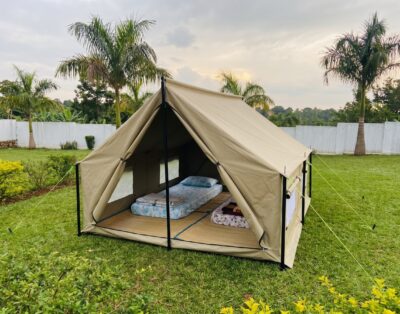
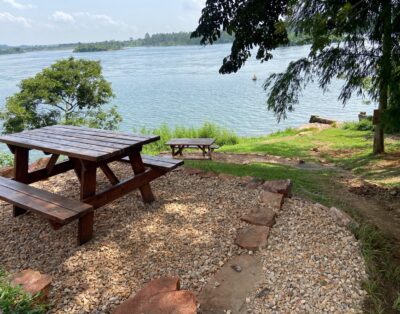
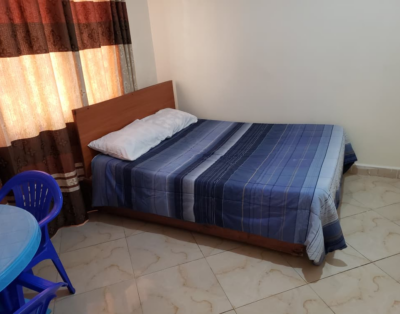
A great adventure deserves a great base. Kasese offers accommodation options across every budget and style -comfortable hotels in town that put you minutes from the mountains and wildlife.
Browse stays in Kasese on ByStays and find the perfect place to rest after your day of adventure. Whether you’re looking for a lodge with mountain views, a guesthouse near the Rwenzoris, or a well-located hotel in town, ByStays makes it easy to book with confidence.
Tips Before You Go
- Pack layers. The Rwenzori Mountains can be cold and wet even during dry season. Waterproof gear is non-negotiable for any hiking excursion.
- Book park permits in advance. Chimpanzee trekking and Rwenzori hike permits should be arranged ahead of time, especially during peak season.
- Carry local currency. Ugandan Shillings (UGX) is widely if not entirely used; card payments are limited outside of larger hotels and local eating places.
- Stay hydrated. Altitude and equatorial heat are a potent combination always carry water, especially on hikes.
- Try the local food. Order the kalo and engege at least once. It’s the real taste of Kasese.
- Respect the culture. The Bakonjo have a deep relationship with their land, their salt, and their mountains. Curiosity and respect go a long way.
Final Thoughts: Kasese Is Just Getting Started
Kasese is one of those rare destinations that rewards the traveller who goes beyond the obvious. Yes, the mountains are spectacular. Yes, the wildlife will stop you in your tracks sometimes literally, on the road through Queen Elizabeth. But it’s the details that make it unforgettable: the salt miners marking their territory with sticks at the lake’s edge, the children diving fearlessly into the Kazinga Channel, the smell of kalo cooking at a roadside restaurant, the smell of lake Nyamununka, the rounded stones of Nyamwamba or the mix of Bakonjo and Congolese voices in the market.
Kasese doesn’t really need to perform for tourists. It just lives loudly, vividly, and beautifully.
Ready to experience it for yourself? Find your perfect stay in Kasese through ByStays and start planning the adventure you’ve always wanted.
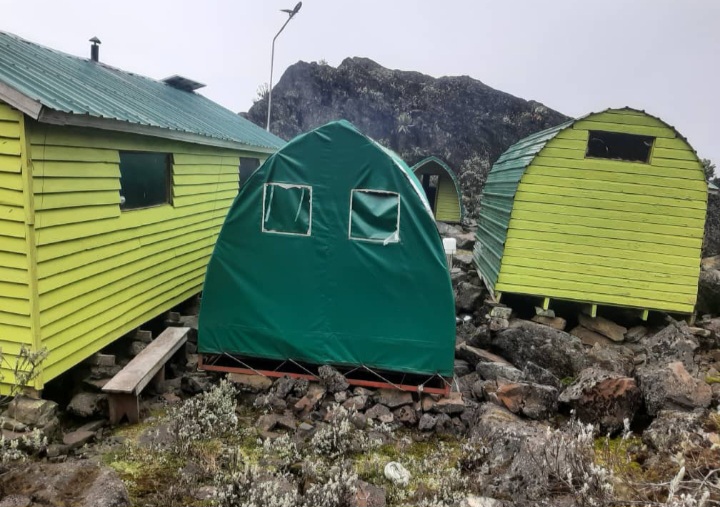
Gallery(These were taken while hiking Mt. Rwenzori, in Kasese District)
Explore more Uganda travel guides on ByStays. We hope this Kasese Uganda travel guide helps you plan an unforgettable adventure in Western Uganda. Next up: 24 Hours in Kasese.